Feed Their Needs
The Teacher’s Guide to Managing Disengaged Student Behavior
Disengaged behavior can be easy to overlook, but when students disconnect from learning, participation, effort, and opportunities for growth can suffer. This guide provides 10 practical, classroom-ready strategies to help you better understand disengagement, respond with confidence, and help students reconnect with learning and become more active, productive participants in the classroom.
$12
Learn how to
- Increase student engagement
- Help students make better choices
- Implement engagement strategies with confidence
At a Glance
- Instant digital download
- Designed for K-12
- Practical & Classroom-tested
Does This Sound Familiar?
- Do you have students who rarely participate, even when you know they are capable?
- Are some students completing little or no work during class?
- Do you find yourself constantly trying to motivate the same students?
- Are you unsure what to do when a student seems disconnected from learning?
- Do you want practical strategies that help students become more engaged in learning?
If you answered “yes” to any of these questions, this guide was created for you.
Inside This Guide You’ll Learn How To:
✔ Understand some of the reasons students may become disengaged from learning.
✔ Make important mindset shifts that help you respond to disengagement with greater understanding and confidence.
✔ Use simple strategies that encourage students to reconnect with learning.
✔ Use practical strategies to increase participation and reconnect students to learning.
✔ Use age-appropriate responses for elementary, middle, and high school students.
✔ Help students become more engaged, productive participants in their learning.
What’s Included
This classroom-ready guide gives you practical tools to better understand disengaged behavior and help students reconnect with learning.
You’ll receive:
- 10 practical strategies for responding to disengaged student behavior.
- Reasons Students Become Disengaged to help you consider what may be contributing to the behavior you’re seeing.
- What Disengagement Looks Like to help you recognize the different ways disengagement may show up in the classroom.
- Mindset Shifts to help you approach disengaged students with greater understanding and implement strategies with confidence and purpose.
- A one-page Quick Reference Guide that puts all 10 strategies in one place for easy review.
Every strategy includes:
- What Is the Strategy? – A clear definition and description of the strategy.
- Why It Works — An explanation of why the strategy can help increase engagement and reconnect students to learning.
- How to Implement — Practical steps to help you put the strategy into action in your classroom.
- What to Say in the Moment — Ready-to-use examples for elementary, middle, and high school so you can see what the strategy might sound like with students of different ages.
- Feed Their Needs Insight — Additional insight to help you think more intentionally about the strategy and implement it more effectively.
Designed to provide practical strategies you can begin using immediately to help students reconnect with learning.
Meet the Author

Michele Holiday M. Ed.
Michele Holiday is a Behavior Strategist and educator who has partnered with more than 60 schools to help teachers and school leaders build effective classroom management systems that support positive student behavior. Her practical, relationship-centered approach equips educators with classroom-ready strategies that increase engagement, strengthen relationships, and create learning environments where every student has the opportunity to thrive.
Ready to Reconnect Students to Learning?
Disengaged students can be easy to overlook—but disengagement doesn’t have to become the norm.
Equip yourself with practical strategies to better understand what may be behind the disengagement, increase participation, and help students become more engaged and productive learners.
Reconnect students. Increase participation. Get learning moving again.
Frequently Asked Questions
Is this guide for elementary teachers?
Yes. The guide includes in-the-moment examples specifically for elementary classrooms, along with strategies that can be adapted to meet the developmental needs of younger students.
Is this guide appropriate for middle school teachers?
Absolutely. The guide includes middle school examples and practical strategies to help students reconnect with learning, increase participation, and become more productive learners.
Can high school teachers use this guide?
Yes. High school in-the-moment examples are included throughout the strategies to demonstrate how the responses can be adapted for older students.
Does this guide help me understand why a student may be disengaged?
Yes. The guide explores reasons students may become disengaged, what disengagement can look like in the classroom, and mindset shifts that can help you respond with greater understanding and confidence.
Is this a printable resource?
Yes. You’ll receive a downloadable PDF that you can print or access digitally whenever you need it.
When will I receive my guide?
Immediately after your purchase, you’ll receive access to download your guide.
Can I share this guide with other educators?
Each purchase includes a single-user license. If you’d like multiple educators in your school to have access, please contact us about school licensing options.
Looking for Help with Other Behavior Challenges?
Every behavior communicates a need, and different behaviors require different response strategies. Expand your classroom management toolbox with these companion guides.
Teacher’s Guide for Managing Disrespect
Practical responses that protect instruction and strengthen classroom relationships.
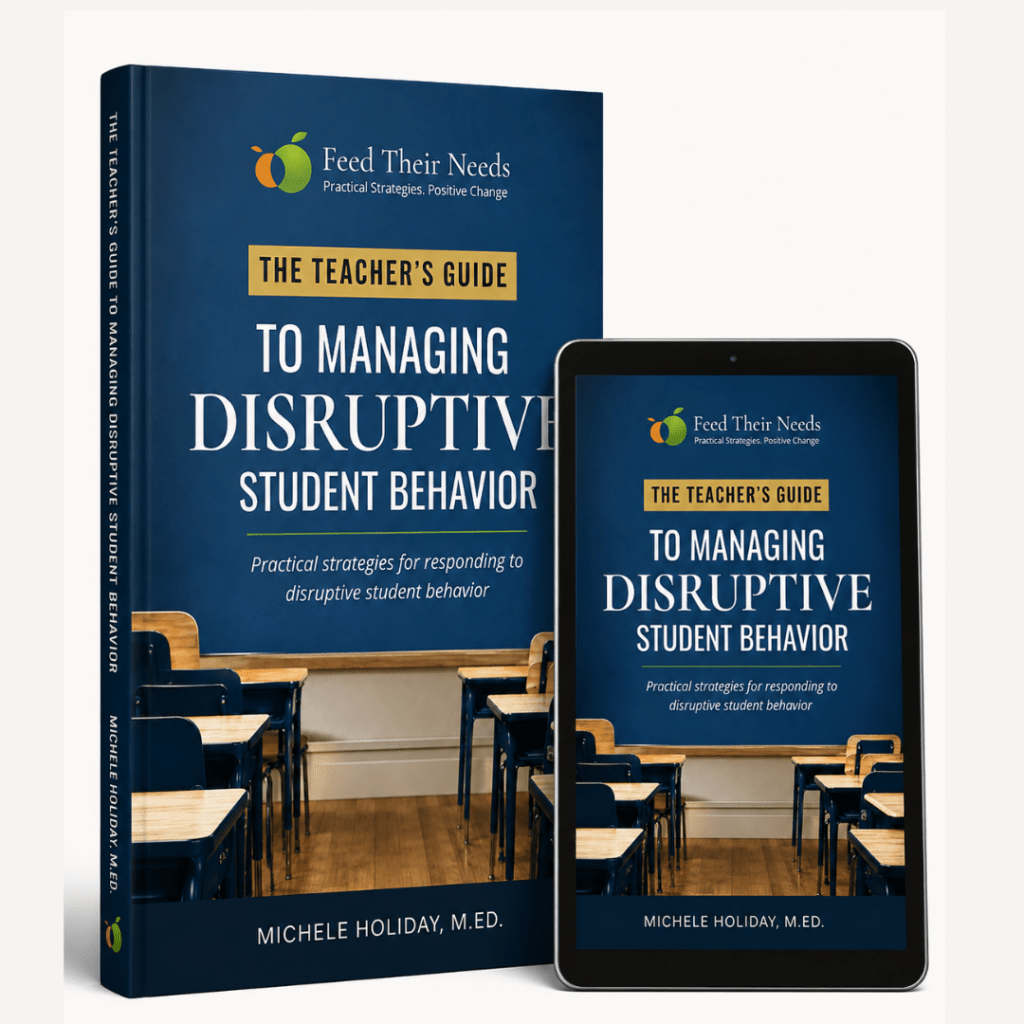
Teacher’s Guide for Managing Disruption
Ready-to-use strategies to reduce interruptions and keep learning on track.
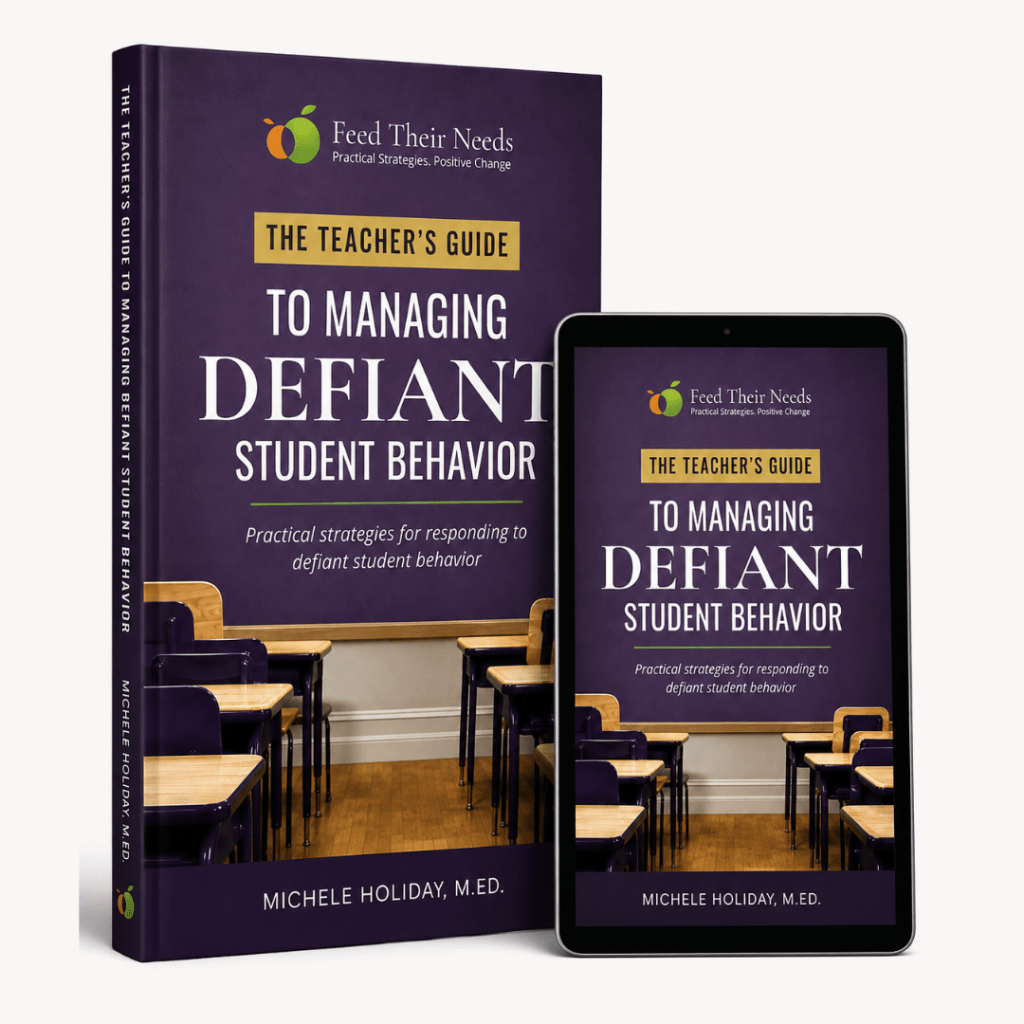
Teacher’s Guide for Managing Defiant Behavior
Calm, consistent responses that help you avoid power struggles.
Build Your Complete Classroom Management Toolbox
Confident classroom management means being prepared for a variety of behavior challenges. Equip yourself with practical, classroom-ready resources designed to help you respond effectively while keeping students connected to learning.
The complete Teacher’s Guide Collection includes practical strategies for managing:
- ✔ Disrespect
- ✔ Disruption
- ✔ Defiant Behavior
- ✔ Disengaged Behavior
⬛ Explore the Complete Classroom Behavior Collection → Click any of the images below to learn more about each guide and add it to your cart.